Machu Picchu Planner field guide
About Rosa Quispe
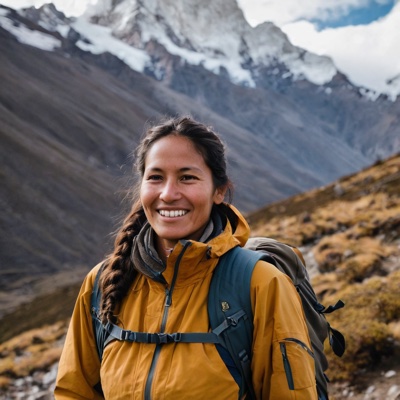
Trekking Guide and Machu Picchu Travel Writer · Since 2013
From Cusco
I'm Rosa Quispe. I live in Cusco, Peru, and I have worked in trekking and Machu Picchu travel since 2013. I started Machu Picchu Planner because the same questions come up again and again from people planning a first trip to the Sacred Valley: which route fits my legs and my calendar, how do I reach the citadel, and what does this tour price cover?
Machu Picchu is not hard to love. It is hard to plan. A day trip chains a train, a shuttle bus and a ticket for a set circuit. A trek needs a permit or a route that does not need one, plus time to adjust to the altitude in Cusco first. Two listings with almost the same name can start from different stations, visit different circuits and include different things. This site exists to lay those differences out before you pay.
What I compare
For every tour on the site I read the operator's published listing and compare the same points each time:
- the route and how many days it takes, and where you start and finish;
- how you reach the citadel: on foot, by train, or both, and which train service the listing names;
- which Machu Picchu circuit and entry the listing mentions, if any;
- what the listing says is included, such as entry ticket, guide, meals, hotel transfers and overnight stays;
- the rating and number of reviews on Viator.
When a listing leaves one of those points unclear, the page says "check the listing" rather than guessing. I would rather you send the operator one question than arrive at the station with the wrong ticket.
How a tour earns a place here
A tour has to fit the page it appears on, hold a rating of at least 4.5 on Viator, and carry enough reviews to mean something. Every tour on the site today has at least 50. Ratings, review counts and prices come straight from Viator and change over time, so the numbers you see when you click through are the ones that count.
Each booking page opens with the most-reviewed tour on that page. That is a simple, visible rule, not a ranking of quality: the right tour for you depends on your dates, fitness and budget, which is why each card says who it suits and who should skip it. The planning guides on altitude, timing, circuits and packing put the planning first and mention a tour only where it fits the advice.
Where the facts come from
Rules around Machu Picchu change: circuits, entry times, permit systems, train timetables and prices. For anything that is not part of a tour listing, I rely on public sources and name them on the page, including the Ministry of Culture's official ticket site, the rail operators and published reference sources on the trails. I keep exact times, fares and quotas off the site because they move. Check the official source before you travel.
What this site will not tell you
The tour cards describe what each operator publishes. I don't present any listed tour as one I booked or took, and the site has no stories of trips that did not happen. Opinions on the pages are planning advice: which route suits a short stay, when a day trip makes more sense than an overnight, and what to confirm before paying.
Where to start
Short on time? Start with the Machu Picchu day trip or how to get to Machu Picchu. Want to walk in? Compare the classic Inca Trail, the short Inca Trail, the Salkantay trek and the Lares trek, or read the side-by-side comparisons. Before any of it, read the Cusco altitude guide and when to visit.
Corrections and affiliate links
If you find something out of date or wrong, send a correction and I will check it against the source and update the page. Machu Picchu Planner earns a commission when you book through its Viator links, at no extra cost to you. Read how affiliate links work before booking.
Edited from Cusco, Peru. Check the Ministry of Culture and the rail operator for current tickets and timetables before travelling.
Rosa edits Machu Picchu Planner's route and tour comparisons using published tour details and official ticket and rail sources. About Rosa.